There’s something intensely unhealthy going on when parents discourage age-appropriate independence. A 13 year old should probably be allowed to go see a film with their friends most of the time. A 16 year old should probably be allowed to drive/ride a bus/bike to a friend’s house most of the time. An 18 year old should probably be allowed to travel overnight with their friends most of the time. A 20+ year old should be allowed to come and go as they please, with some common-sense “Let’s talk this ‘move to Finland’ plan of your over before you follow through on it” exceptions.
Parents should want their children to enjoy going out and doing things on their own and with their friends. They should be delighted that their child wants to have a life of their own. A rich, fulfilling life outside the home and distinct from parents and family is important, and parents should want their child to have that.
Today on “I think a white person wrote this”
Umm…No. this isn’t a “white person” issue. I’m Black & EVERYTHING she just described in the post is 100% relevant. We gotta stop writing off discussions about unhealthy & overly strict parenting as “white people shit”. It’s so old and tired. 😒
Parents need to give children space to discover who they are and give them certain independence because one day they’ll be on their own, and they need to know how to solve issues and move through life. Overprotection is as damaging to a child as neglecting them.
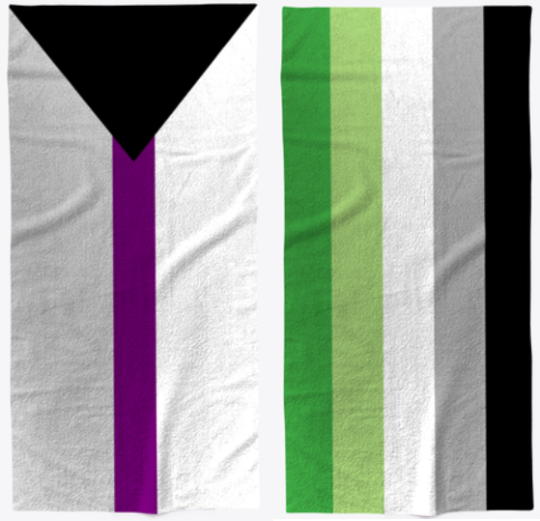
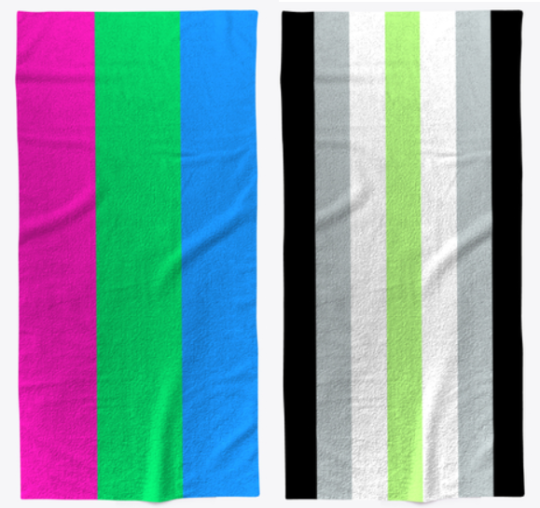
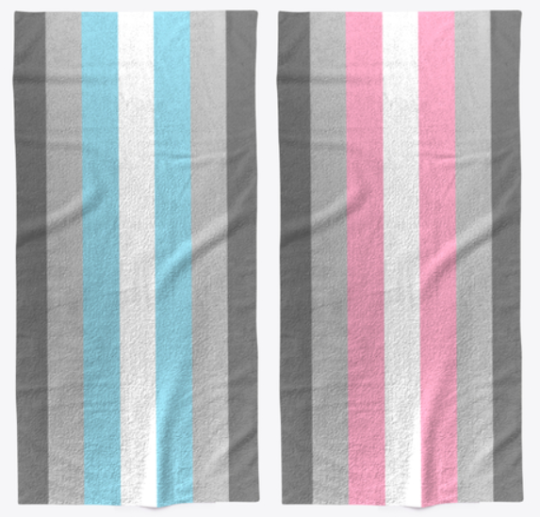
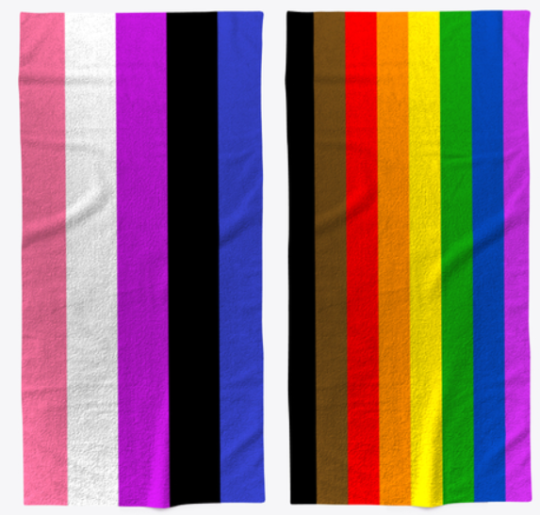
I can lounge about at the pool in my monofin and be a beautiful lesbian mermaid hhhhh I need this
Subtle and beautiful i want 10
Gonna be strolling through pool wrapped in bisexuality luxury
at some point this will wind up being worn as a cape and I am 1000% okay with that
this would actually be safe to get for me bc my parents have like,,, zero knowledge of pride flags other than the standard rainbow one. and I could just be like “it’s a cool towel” and if anybody asked if it was a pan flag I would just smirk,wink, and walk away.
Because treating people fairly often means treating them differently.
This is something that I teach my students during the first week of school and they understand it. Eight year olds can understand this and all it costs is a box of band-aids.
I have each students pretend they got hurt and need a band-aid. Children love band-aids. I ask the first one where they are hurt. If he says his finger, I put the band-aid on his finger. Then I ask the second one where they are hurt. No matter what that child says, I put the band-aid on their finger exactly like the first child. I keep doing that through the whole class. No matter where they say their pretend injury is, I do the same thing I did with the first one.
After they all have band-aids in the same spot, I ask if that actually helped any of them other than the first child. I say, “Well, I helped all of you the same! You all have one band-aid!” And they’ll try to get me to understand that they were hurt somewhere else. I act like I’m just now understanding it. Then I explain, “There might be moments this year where some of you get different things because you need them differently, just like you needed a band-aid in a different spot.”
If at any time any of my students ask why one student has a different assignment, or gets taken out of the class for a subject, or gets another teacher to come in and help them throughout the year, I remind my students of the band-aids they got at the start of the school year and they stop complaining. That’s why eight year olds can understand equity.