Let’s talk about the astounding similarities between cats and autistic people, and how we should make them the official autism mascot instead of that godawful puzzle piece
Oh man, now you’ve got me going!
Firstly, cats stim. They purr, swish their tails and knead their paws against pillows, blankets, and other soft things. Many cats actively seek out sensory experiences, like listening to birds singing, lying in a sunbeam, rolling against the grass, etc.
Cats have sensory sensitivities— many of them dislike walking on certain flooring, touching certain textures, and certain smells or sounds may make them anxious. Their fur is very sensitive, they can sense the lightest touch, or speck of lint, or dust and their skin will quiver until they can lick or rub it off. When they become overstimulated cats retreat into a small, dark place to recover.
Cats love routine. Many cats know the exact time that their owners wake up in the morning and will wake them. A cat with a routine is a happy cat— they love to have their meals or soft food on a schedule and will learn their owner’s schedule. Cats will become anxious when the schedule is disrupted or if their owner doesn’t follow their usual routine.
In the same vein cats are very wary and/or anxious when it comes to the introduction of new things or people into their environment. Cats require time and patience to get used to anything or anyone newly introduced. Cats also feel anxious when existing furniture is rearranged or when a new smell (like an air freshener) is introduced into the home.
Cats often have “special interests”, a particular activity or thing that they love and can spend hours enjoying. It could be playing with a particular toy, chewing on something, listening to the radio, or watching the clothes in the washing machine. My cat Kitty has a certain ball that she fixates on and will happily enjoy and obsess over for hours.
Finally, cats have a very distinct and subtle body language. The difference is particularly evident when compared with the exuberant, unsubtle dog. The slightest twitch of a tail or turn of the ears, the frequency and timing of blinks, and the positioning of the tail in relation to the body are all little movements that can express much. To the untrained eye it may appear as if a cat is bored, aloof, or unaware of its surroundings. But once you learn to recognize cat body language and understand cat communication, you’ll be amazed at the depth of emotion and how expressive your cat really is.
Yes, I think that cats have a lot in common with autistic people. And that’s wonderful!
also can I add to this:
cats like to show their affection just by sharing the same space. a cat will generally want to be in the same space as you, even if you’re not really interacting and are half way across the room. still hanging out!
they don’t always want to be touched, and can be easily overstimulated by physical affection.
they don’t like to make eye contact.
their body language is often misinterpreted- and then they are blamed for it, or have negative motivations ascribed to it. a cat following you around is stalking you instead of wanting to hang out. a cat that doesn’t want to make eye contact with you is ignoring you instead of being polite. a cat that lashes out because it’s over stimulated, or you ignored their body language telling you to leave them alone is suddenly an asshole who hurt you for no reason.
Conclusion: I am, myself personally, a cat.
I for one embrace my newfound cattitude
Tag: Autism
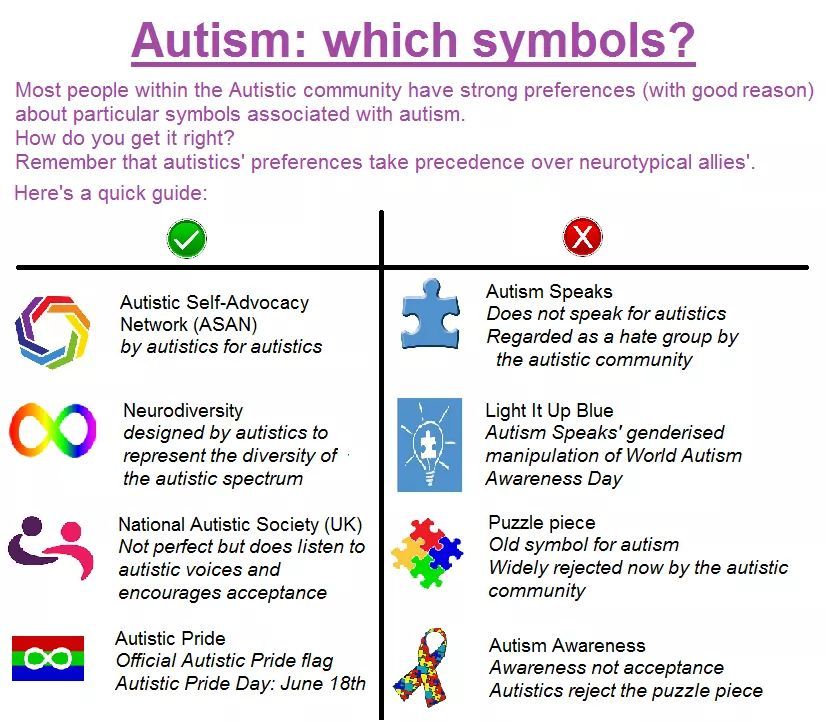
For the allies (and autistic people) who need it 💙
Important info for Autism Acceptance Month!
What people think adhd/add/autism is like: lol im so random XD look a squirrel! I am soft and docile
What its actually like:
- “Im bored, lets rip my fingers off”
- **happy rocking**
- I NEED TO STEP ON THIS LEAF OR I WILL DIE
- “Have you heard of (niche special interest)? Well- **infodumps**”
- “Why are you rocking? ” “why arent you?”
- T i r e d
- Hoo golly here comes the Depression™
- “Could you repeat that please?”/“what”/“huh”
- HhhoooHHH CRUNCHY
- Those weird ass invasive thoughts that make u go
at ur brain
- Not being able to eat
- “Why am i thirsty? I had a full one drop of water three weeks ago”

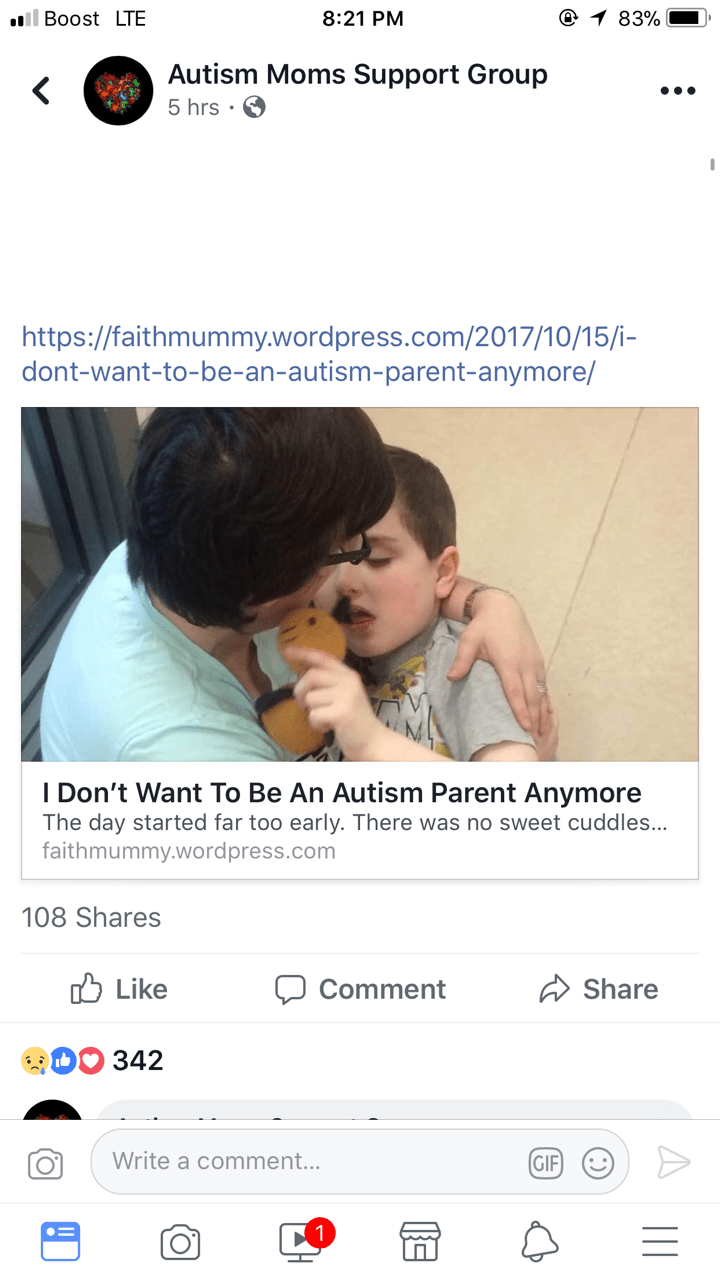
It’s this type of stuff right here that keeps me from being able to relate to parents of autistic children. The comments all say “I didn’t sign up for this.” Well you know what? You did. I did. The moment you conceived your child, you signed up for whatever that child would grow to be. You think it’s hard for YOU? Imagine how hard it is for THEM. You feel sorry for yourself because you “wake up to screaming every single day”? Feel sorry for the human being who wakes up screaming every day, because they’re crying for a reason. You don’t want to change your child or feed your child beyond toddlerhood? Then WHY did you become a parent? Why would you take the 1 in 68 chance, if you don’t want the chances of having an autistic child? If you resent your child this much, go fuck yourself.
If you treat your autistic relatives like this or treat other autistic people like this you’re an ableist monster, whether you have autism too or not.
When you have a child, you “signed up for” whatever that child ends up being. You don’t get to have some preconceived idea of who you want your child to be then resent your child for not being exactly that.
I saw a post by @adhdmoi about sensory overload and realized it was relatable for anxiety, autism, and ADHD. so i made a meme.
This is great
Things to know before April comes
#1: Autism is not a dangerous disease that needs to be cured!
#2: Autism speaks is a bad organisation that doesn’t listen to autistic people and portrays autism as a horrible disease.
#3: Most autistic people don’t want a cure.
#4: Vaccines don’t cause autism!
#5 Based on how autism works, ‘curing’ it in a live person is virtually impossible
#6 most “cures” for autism revolve around eugenics, i.e. Making sure we’re never born in the first place
#7 avoid using “functioning labels.” High-functioning is used to deny us support, low-functioning is used to deny us agency. This also goes for “mild” and “severe” autism.
#8 Forcing autistic people to behave in a way acceptable to neurotypicals that’s unnatural and often painful for us and punishing us when we don’t (often physically) is abusive. Let us be autistic in peace.
#9 if you’re looking for a good Autism-based organization to support, try Autistic Self Advocacy Network instead!
Sensory Overload And How To Cope
Sensory overload has been found to be associated with disorders such as:
- Fibromyalgia (FM)
- Chronic Fatigue Syndrome (CFS)
- Post Traumatic Stress Disorder (PTSD)
- Autistic spectrum disorders
- Generalized Anxiety Disorder (GAD)
- Synesthesia
Sensory overload occurs when one (or more) of the body’s senses experiences over-stimulation from the environment.
Basically it feels like everything is happening at once, and is happening too fast for you to keep up with.
Sensory overload can result from the over stimulation of any of the senses.
Hearing: Loud noise or sound from multiple sources, such as several people talking at once.
Sight: Bright lights, strobe lights, or environments with lots of movement such as crowds or frequent scene changes on TV.
Smell and Taste: Strong aromas or spicy foods.
Touch: Tactile sensations such as being touched by another person or the feel of cloth on skin.
Obviously, everyone reacts in differently to sensory overload.
Some behavioural examples are:
Irritability – “Shutting down” – Covers eyes around bright lights – Difficulty concentrating
Angry outbursts – Refuses to interact and participate – Covers ears to close out sounds or voices – Jumping from task to task without completing
Overexcitement – Low energy levels – Difficulty speaking – Compains about noises not effecting others
High energy levels – Sleepiness/fatigue – poor eye contact – Overly sensitive to sounds/lights/touch
Fidgeting and restlessness – Avoids touching/being touched – Muscle tension – Difficulty with social interactionsThere are two different methods to prevent sensory overload: avoidance and setting limits:
- Create a more quiet and orderly environment – keeping the noise to a minimum and reducing the sense of clutter.
- Rest before big events.
- Focus your attention and energy on one thing at a time.
- Restrict time spent on various activities.
- Select settings to avoid crowds and noise.
- One may also limit interactions with specific people to help prevent sensory overload.
It is important in situations of sensory overload to calm oneself and return to a normal level.
- Remove yourself from the situation.
- Deep pressure against the skin combined with proprioceptive input that stimulates the receptors in the joints and ligaments often calms the nervous system.
- Reducing sensory input such as eliminating distressing sounds and lowering the lights can help.
- Calming, focusing music works for some.
- Take an extended rest if a quick break doesn’t relieve the problem.
What if someone you know is experiencing sensory overload?
Recognize the onset of overload. If they appear to have lost abilities that they usually have, such as forgetting how to speak, this is often a sign of severe overload.
Reduce the noise level. If they are in a noisy area, offer to guide them somewhere more quiet. Give time to process questions and respond, because overload tends to slow processing. If you can control the noise level, for example by turning off music, do so.
Do not touch or crowd them. Many people in SO are hypersensitive to touch – being touched or thinking they are about to be touched can worsen the overload. If they are seated or are a small child, get down to their level instead of looming above them.
Don’t talk more than necessary. Ask if you need to in order to help, but don’t try to say something reassuring or get them talking about something else. Speech is sensory input, and can worsen overload.
If they have a jacket, they may want to put it on and put the hood up. This helps to reduce stimulation, and many people find the weight of a jacket comforting. If their jacket is not within reach, ask them if they want you to bring it. A heavy blanket can also help in a similar way.
Don’t react to aggression. Don’t take it personally. It is rare for someone who is overloaded to cause serious harm, because they don’t want to hurt you, just get out of the situation. Aggression often occurs because you tried to touched/restrained/blocked their escape.
When they have calmed down, be aware that they will often be tired and more susceptible to overload for quite awhile afterwards. It can take hours or days to fully recover from an episode of sensory overload. If you can, try to reduce stress occurring later on as well.
If they start self-injuring, you should usually not try to stop them. Restraint is likely to make their overload worse. Only intervene if they are doing something that could cause serious injury, such as hard biting or banging their head. It’s a lot better to deal with self-injury indirectly by lowering overload.
To summarise – Remember the 5 R’s
Recognise
The symptoms of overloadRemove
Yourself from the situationReduce
the stimulus causing the overloadRelax
Your body and calm yourself downRest
Yourself as you will most likely feel fatigue.](the original post is a photoset and the above was part of an image description, hope no ones minds i just changed it into a text post)
Reblogging always because this is so vital.
This is so important, thank you. When I was in first grade I got sent to the principal’s office nearly every day because I’d hide under the desk and cover my ears because the noise was too much for me. It’s important to know how to properly handle situations like this. It’s not the person’s fault, it’s just how they were born. Sensory overload is hard enough to deal with, it’s not something that should be made worse by punishing someone who’s suffering.
Is there a blog that helps autistics with social interactions and scripts or something?
Check out @conversationscripts @scriptforall and @realsocialskills
 Crowfanity's Tumblr